From Oil Stains to Outstanding: The Complete Guide to Epoxy Garage Floors in Tampa
For most Tampa homeowners, the garage floor ranks low on the renovation priority list—right up until the concrete starts showing its age. Cracking, staining, moisture intrusion, and that persistent tire-track discoloration are not inevitable facts of life. They are symptoms of unprotected concrete, and they have a proven solution: professional-grade epoxy flooring.
At Premier Epoxy Tampa, we have transformed hundreds of residential garages across the Bay Area, and the results consistently surprise homeowners who assumed their slab was beyond saving. This guide walks through every meaningful aspect of the process—from design selection to long-term performance—so you can approach the decision with confidence.
Why Garage Floors in Tampa Face Unique Challenges
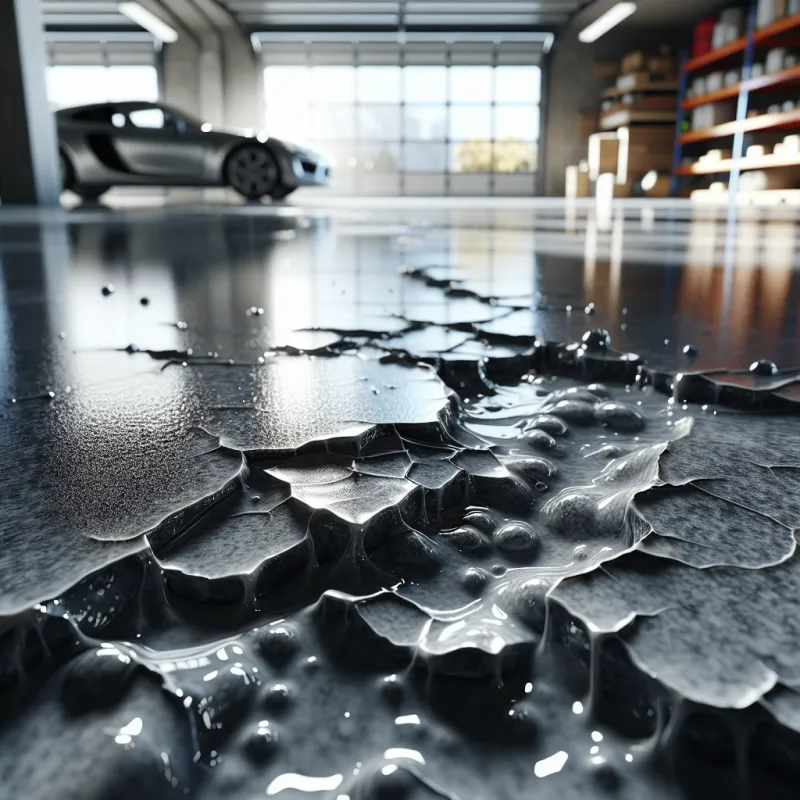
Florida garages endure conditions that floors in other parts of the country simply do not. High ambient humidity means moisture vapor is constantly migrating upward through the concrete slab, a phenomenon known as hydrostatic pressure. When a floor coating is not properly specified for this environment, that moisture finds its way beneath the film and causes peeling, bubbling, and delamination.
Beyond humidity, Tampa's heat accelerates the chemical breakdown of inferior coatings. Summer temperatures in an enclosed garage can exceed 100°F, which causes low-quality epoxy products to yellow, soften, or lose adhesion over time. Vehicle traffic compounds the stress, as hot tire pickup—where rubber bonds to a softened coating and tears it away—is a common failure mode in box-store epoxy kits.
A professionally installed system addresses each of these vulnerabilities through proper surface preparation, moisture mitigation primers, and commercial-grade epoxy formulations engineered for sustained performance in high-temperature, high-humidity environments.
Design Options: Making the Floor Your Own
One of the most compelling aspects of modern epoxy flooring is the breadth of aesthetic choices available. Far from the plain gray coatings of the past, today's systems offer genuine design flexibility.
Decorative Flake Systems Also called chip or broadcast flake floors, these systems involve broadcasting colored vinyl flakes onto a wet epoxy base coat. The flakes are then sealed beneath a clear topcoat, resulting in a speckled, multi-dimensional appearance. Beyond aesthetics, the texture created by the flakes provides natural slip resistance—a meaningful safety benefit on a garage floor where oil and water are common hazards. Flake blends are available in dozens of color combinations, from neutral grays and tans to bold blues and custom palettes.
Metallic Epoxy Finishes For homeowners seeking a more dramatic result, metallic epoxy systems create flowing, three-dimensional effects that genuinely resemble polished stone or poured metal. Pigmented metallic powders are blended into the epoxy and manipulated during application to produce unique, one-of-a-kind patterns. No two metallic floors look identical, which appeals to homeowners who want their garage to function as an extension of their living space rather than a utility afterthought.
Solid Color Coatings A clean, single-color epoxy floor remains a popular choice for homeowners who prefer a streamlined, workshop-style aesthetic. Medium-sheen and high-gloss options are both available, and the reflective quality of a well-applied solid-color floor noticeably brightens a garage interior.
Performance Benefits That Matter in Florida
Aesthetics aside, the functional advantages of an epoxy garage floor are substantial—particularly for Tampa homeowners.
Chemical Resistance: Motor oil, brake fluid, transmission fluid, fertilizers, and pool chemicals are routine garage floor hazards. Epoxy coatings resist penetration from all of these substances, meaning spills wipe clean rather than soaking into the slab and leaving permanent stains.
Impact and Abrasion Resistance: A properly specified multi-coat epoxy system creates a surface that withstands dropped tools, rolling equipment, and the sustained weight of parked vehicles without chipping or cracking.
Moisture Management: When installed with an appropriate moisture-tolerant primer and vapor barrier system, epoxy flooring effectively interrupts the hydrostatic cycle that degrades uncoated concrete and inferior coatings alike.
Ease of Maintenance: Dust, debris, and liquid spills are far easier to address on a sealed epoxy surface than on porous concrete. A simple sweep and occasional damp mop is typically sufficient for routine upkeep.
What to Expect From the Installation Process
Professional epoxy installation is not a same-day affair, and that is by design. The process begins with concrete surface preparation—typically diamond grinding or shot blasting to open the slab's pores and ensure maximum coating adhesion. Any existing cracks or divots are repaired at this stage.
Moisture testing is conducted before any coating is applied. In Tampa's climate, this step is non-negotiable; applying epoxy over a slab with elevated moisture vapor emission rates without proper mitigation is one of the leading causes of premature coating failure.
Once the slab is prepared and moisture levels are confirmed to be within acceptable parameters, the coating system is applied in multiple layers: a primer coat, a base coat, any decorative elements, and a protective topcoat. Cure times between coats are observed carefully, and the floor is typically ready for light foot traffic within 24 hours and vehicle traffic within 72 hours, depending on the specific system and ambient conditions.
Cost Expectations for Tampa Homeowners
Residential garage epoxy projects in the Tampa Bay area typically range from approximately $3 to $7 per square foot for professionally installed systems, depending on the coating type, the condition of the existing slab, and the complexity of the chosen design. A standard two-car garage of roughly 400 to 500 square feet would fall in the range of $1,200 to $3,500 for most projects.
Metallic and multi-layer decorative systems occupy the higher end of that range, while solid-color or standard flake systems are generally more economical. It is worth noting that the cost differential between a basic system and a premium one is relatively modest when spread across a floor that, with proper care, will perform for fifteen to twenty years.
Homeowners who have previously attempted a DIY epoxy kit will recognize that the per-square-foot material cost of consumer-grade products often approaches that of professional installation—without the surface preparation, warranty, or longevity that a qualified contractor provides.
The Property Value Perspective
Real estate professionals in the Tampa market consistently note that finished garage spaces generate buyer interest. A clean, professionally coated floor signals that a home has been well maintained and signals move-in readiness in a way that a stained, cracked slab does not. While attributing a precise dollar figure to a garage floor upgrade is difficult, the improvement in presentation and the elimination of a visible maintenance concern are both meaningful factors during a home sale.
For homeowners not planning to sell, the quality-of-life benefit is equally tangible: a cleaner, brighter, more functional space that is genuinely easier to maintain.
Ready to See the Difference?
Premier Epoxy Tampa has completed residential garage projects throughout Tampa, St. Petersburg, Clearwater, and the surrounding communities. If your garage floor is due for an upgrade—or if you are simply curious what your slab could look like—we invite you to reach out for a no-obligation consultation. The transformation is more attainable than most homeowners expect.