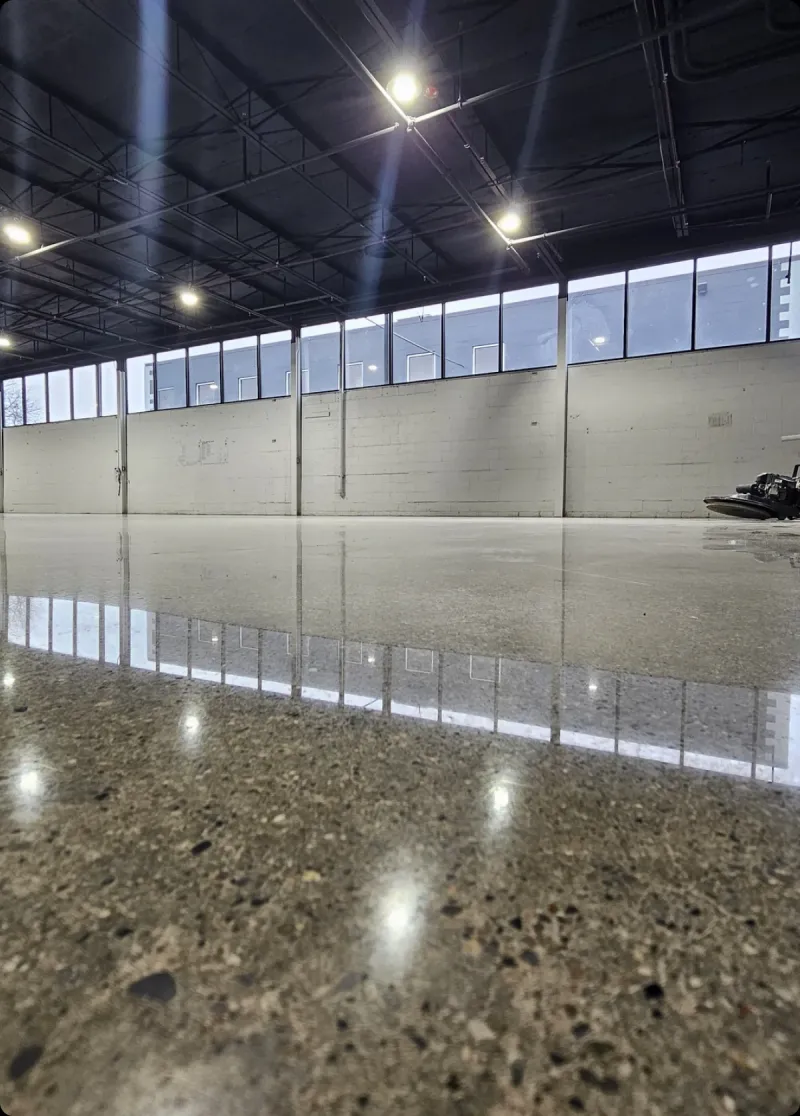
Before You Sign a Contract: The Complete Tampa Homeowner's Guide to Hiring an Epoxy Flooring Contractor
Epoxy flooring has become one of the most popular home improvement upgrades in the Tampa Bay area, and for good reason. A professionally installed system transforms a dull garage slab or dated basement floor into a surface that is durable, easy to clean, and visually striking. But the surge in demand has also attracted a growing number of under-qualified operators who cut corners on materials, skip critical preparation steps, and disappear when problems surface six months after installation.
As Tampa's trusted epoxy flooring specialists, we at Premier Epoxy Tampa believe that an informed homeowner is our best client. This guide is designed to give you the tools to evaluate any contractor — including us — with confidence.
Part One: Questions to Ask Before You Request a Single Quote
The vetting process should begin before you ever pick up the phone. Start by defining your project clearly. Ask yourself:
- What is the primary use of the space? A residential garage that parks two cars has different loading and chemical exposure requirements than a home gym or a workshop with heavy machinery.
- What is the current condition of my concrete? Existing cracks, moisture issues, or previous coatings all affect the scope of preparation work and, ultimately, the cost.
- What is my timeline? Epoxy installations require cure time before the space can be returned to service. In Tampa's humidity, cure schedules can be affected by ambient conditions.
Having clear answers to these questions before contacting contractors allows you to make apples-to-apples comparisons between bids.
Part Two: The Contractor Vetting Checklist
✅ Verify Licensing and Insurance
In Florida, contractors performing work over a certain dollar threshold are required to hold a valid state license. Ask any prospective contractor for their Florida Contractor License number and verify it through the Department of Business and Professional Regulation (DBPR) online portal. Additionally, confirm that the contractor carries both general liability insurance and workers' compensation coverage. If a worker is injured on your property and the contractor lacks proper insurance, you may bear financial responsibility.
Premier Epoxy Tampa maintains full licensing and insurance documentation and provides copies to clients upon request.
✅ Ask About Their Surface Preparation Process
This is, without question, the single most important technical question you can ask. Surface preparation — specifically, mechanical grinding or shot blasting of the concrete — accounts for the majority of an epoxy system's long-term performance. A coating applied to an unprepared or improperly cleaned surface will delaminate, often within the first year.
Ask specifically:
- Do you use diamond grinding equipment or shot blasting?
- How do you test for moisture vapor emission before coating?
- What is your process for addressing existing cracks or spalls?
Be cautious of any contractor who mentions acid etching as their primary preparation method. While acid etching was once standard practice, it is widely considered insufficient for achieving the surface profile required for a durable epoxy bond, particularly in Florida's moisture-rich environment.
✅ Request a Material Specification Sheet
Not all epoxy products are equal. There is a significant performance difference between a 100% solids commercial-grade epoxy and the water-based epoxy paint available at home improvement retailers. Ask your contractor to provide the product data sheets for every material they plan to use, including the primer coat, body coat, and topcoat or sealer.
Key specifications to review:
- Solids content (100% solids epoxy is the industry benchmark for durability)
- Chemical resistance rating
- Abrasion resistance (measured in milligrams of weight loss per ASTM D4060)
- UV stability, particularly important for spaces with significant natural light exposure
✅ Review Their Portfolio and Request Local References
A reputable contractor will have a portfolio of completed projects they can share, ideally including work performed in conditions similar to your own. Ask for references from Tampa-area clients specifically — Florida's climate creates unique challenges that contractors working primarily in other states may not be equipped to handle.
When speaking with references, ask:
- How long ago was the installation completed?
- Have you experienced any peeling, bubbling, or discoloration?
- How responsive was the contractor when you had questions after the project was complete?
Part Three: Red Flags to Watch For
The following warning signs should prompt you to reconsider a contractor, regardless of how competitive their pricing appears.
🚩 No written contract or vague scope of work. Every legitimate flooring contractor should provide a detailed written proposal that specifies materials, preparation steps, number of coats, estimated timeline, and warranty terms. Verbal agreements are unenforceable and leave you with no recourse if the work does not meet expectations.
🚩 Pressure to decide immediately. High-pressure sales tactics — "this price is only good today" — are a common tactic among operators who rely on impulse decisions rather than the quality of their work.
🚩 Unusually low pricing. A complete epoxy floor system for a standard two-car garage in the Tampa area typically ranges from $1,500 to $3,500, depending on preparation requirements and the coating system selected. Bids significantly below this range almost always reflect compromises in material quality or preparation steps.
🚩 No moisture testing. Skipping a moisture vapor emission test is one of the most common causes of epoxy failure in Florida. If a contractor does not mention moisture testing as part of their standard process, that is a significant red flag.
🚩 No warranty or an unusually short one. Industry-standard warranties for professionally installed epoxy systems typically range from two to five years for residential applications. A contractor offering no warranty or only a 90-day guarantee is signaling limited confidence in their own work.
Part Four: Understanding Curing Timelines in Tampa's Climate
One of the most common sources of post-installation frustration is misunderstanding how long epoxy takes to cure — and what "cured" actually means.
Epoxy curing occurs in two stages:
- Initial cure (foot traffic): Most epoxy systems allow light foot traffic within 24 hours of the final coat application under standard temperature and humidity conditions.
- Full chemical cure: Complete hardening, at which point the floor reaches its rated chemical and abrasion resistance, typically takes five to seven days.
In Tampa's high-humidity environment, both stages can be extended if the ambient relative humidity exceeds 85 percent at the time of application or during the cure period. A professional contractor will monitor conditions and adjust the installation schedule accordingly. Attempting to accelerate the process by using fans or dehumidifiers without proper planning can introduce surface defects.
Premier Epoxy Tampa monitors humidity and temperature conditions at every job site and schedules installations to avoid weather windows that could compromise cure quality.
Part Five: Maintaining Your Epoxy Floor in Tampa's Climate
A properly installed epoxy floor requires minimal maintenance, but the right habits will significantly extend its service life.
- Sweep or dust mop regularly to prevent abrasive grit from accumulating on the surface. Fine particles tracked in from Tampa's sandy soil can act as sandpaper under foot and vehicle traffic.
- Clean spills promptly. While epoxy is highly chemical-resistant, prolonged exposure to harsh solvents or battery acid can dull the surface finish.
- Use a pH-neutral cleaner for routine mopping. Avoid bleach-based or highly acidic cleaners, which can degrade the topcoat over time.
- Inspect the floor annually for any areas of edge lifting or surface micro-cracking, particularly around expansion joints. Addressing small issues early prevents them from expanding into larger delamination problems.
- Avoid dragging heavy metal objects directly across the surface. Use rubber-wheeled dollies or furniture sliders when moving heavy equipment.
For Tampa homeowners with garage floors, placing a rubber mat under the vehicle's parking position can help manage oil drips and reduce the thermal impact of hot tires on the coating surface.
Making a Confident Decision
Hiring the right epoxy flooring contractor in Tampa is ultimately about doing your homework before any work begins. The questions outlined in this guide are the same ones our team at Premier Epoxy Tampa is prepared to answer in full — because we believe the best client relationship starts with complete transparency.
If you are ready to explore your flooring options, we welcome the opportunity to walk through your project in detail, provide a written specification, and connect you with local homeowners who can speak to the quality of our work firsthand. Reach out to Premier Epoxy Tampa to schedule your complimentary on-site assessment.