Concrete vs. Epoxy: A Technical Look at Why Tampa Floors Need More Than Bare Slab
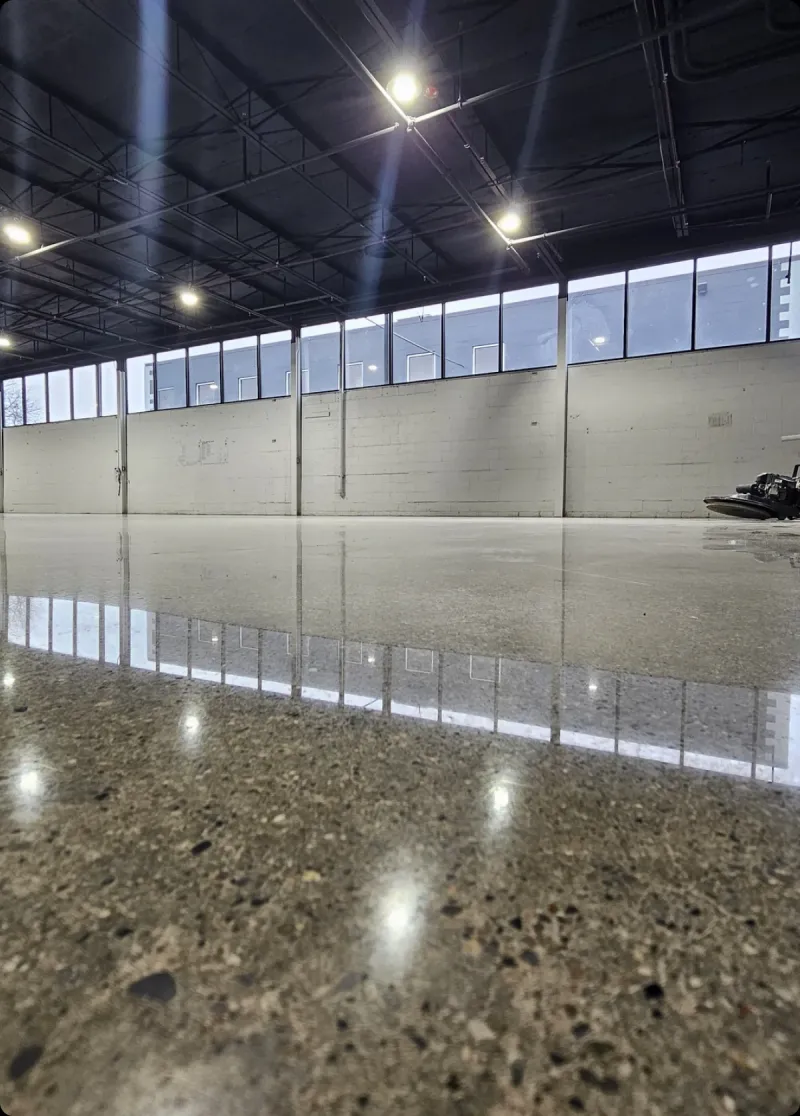
Photo: epoxy coated concrete floor vs bare concrete Tampa commercial warehouse, via mrepoxypro.com
When most people picture a durable floor, they picture concrete. It is, after all, the material that supports highways, bridges, and skyscrapers. Yet in a market like Tampa — where subtropical humidity regularly tops 80 percent and salt-laden Gulf breezes drift inland year-round — bare concrete is far more vulnerable than its reputation suggests. At Premier Epoxy Tampa, we have spent years documenting what happens to uncoated slabs in this climate, and the data consistently tells the same story: epoxy-coated floors outperform bare concrete on nearly every measurable metric.
This article is not a sales pitch. It is a technical examination of why that performance gap exists, how it translates into real dollars over time, and what our own installation timelines reveal about return on investment.
The Chemistry of Concrete Degradation in Coastal Florida
Concrete is a porous material. At the microscopic level, it is riddled with capillaries through which moisture, salts, and reactive chemicals can migrate. In Tampa's environment, this porosity becomes a liability almost immediately after a slab is poured.
Salt air introduces chloride ions that penetrate the concrete surface and, over time, attack the reinforcing steel embedded within. This process — known as chloride-induced corrosion — causes the rebar to expand, generating internal pressure that fractures the slab from within. Simultaneously, Tampa's high humidity creates conditions favorable to efflorescence, the migration of soluble salts to the surface that leaves chalky white deposits and weakens the concrete matrix. Add to this the thermal cycling between Florida's intense summer heat and its milder winters, and you have a recipe for accelerated surface spalling, cracking, and pitting.
A study published by the American Concrete Institute found that unprotected concrete in high-humidity, salt-air environments can begin showing measurable surface degradation within three to five years of installation. In our own project documentation at Premier Epoxy Tampa, we have resurfaced commercial slabs in Ybor City and South Tampa that were less than four years old yet required significant remediation before any coating could be applied.
How Epoxy Creates a Protective Barrier
Epoxy flooring works by chemically bonding to the concrete substrate, creating a seamless, non-porous membrane that blocks moisture infiltration, resists chemical exposure, and distributes surface loads more evenly. The coating is not simply painted on top of the concrete — when applied correctly, it penetrates the upper layer of the slab and cross-links at a molecular level, forming a composite system that is structurally superior to either material alone.
The key properties that make epoxy superior in Tampa's climate include:
- Moisture impermeability: A properly installed epoxy system reduces water vapor transmission to near zero, preventing the chloride migration that damages unprotected slabs.
- Chemical resistance: Epoxy withstands oil, gasoline, cleaning agents, and the salt-rich moisture that accumulates on garage and warehouse floors in coastal areas.
- Abrasion resistance: Industrial-grade epoxy coatings typically achieve a Shore D hardness rating between 80 and 90, significantly harder than the surface of standard concrete.
- Thermal stability: Unlike bare concrete, which expands and contracts with temperature changes and can develop hairline cracks over time, flexible epoxy topcoats accommodate minor substrate movement without fracturing.
Lifespan Comparison: What the Numbers Show
Uncoated concrete floors in commercial and residential settings in the Tampa Bay area typically require their first significant repair — crack filling, surface grinding, or joint resealing — within five to eight years. By the fifteen-year mark, many unprotected slabs in high-traffic environments show enough deterioration to warrant full resurfacing or replacement, a process that can cost between $8 and $15 per square foot depending on the extent of damage.
By contrast, a professionally installed epoxy floor system from Premier Epoxy Tampa carries a realistic service life of fifteen to twenty-five years with routine maintenance. Our installation records from a 12,000-square-foot distribution warehouse in the Brandon area, completed in 2018, show the floor still performing within original specification tolerances as of our most recent inspection — zero delamination, no surface crazing, and only minor scuff marks in the highest-traffic forklift lanes.
Cost-Per-Year Analysis
To make this comparison concrete (no pun intended), consider a 2,500-square-foot commercial garage floor in the greater Tampa area.
Uncoated concrete scenario:
- Initial slab cost: $10,000–$12,500
- Year 5 crack and joint repair: $1,200
- Year 10 surface grinding and sealer: $3,500
- Year 15 full resurfacing: $18,000–$22,000
- Total 15-year cost: approximately $33,000–$39,000, or $2,200–$2,600 per year
Epoxy-coated scenario:
- Initial slab cost: $10,000–$12,500
- Professional epoxy installation (Premier Epoxy Tampa rate): $7,500–$10,000
- Annual maintenance (cleaning, minor touch-up): $300–$500/year
- Recoat at year 15: $4,500–$6,000
- Total 15-year cost: approximately $26,500–$33,000, or $1,767–$2,200 per year
Even at the high end, epoxy-coated floors deliver a lower annual cost of ownership — and that calculation does not factor in the productivity losses, liability exposure, and operational disruptions associated with repairing or replacing a deteriorated concrete floor mid-business cycle.
Real Project Timelines from Premier Epoxy Tampa
One of the most telling data points in our portfolio comes from a residential garage project in New Tampa completed in 2019. The homeowner had an eight-year-old bare concrete floor with visible pitting and two hairline cracks. After surface diamond grinding, crack injection, and a three-coat epoxy system installation — a process that took three working days — the floor was returned to service within 72 hours of final topcoat application. Five years later, the floor remains in excellent condition, requiring nothing more than periodic cleaning with a pH-neutral solution.
A second reference project, a 4,800-square-foot auto dealership showroom in Carrollwood, illustrates the commercial ROI even more sharply. The dealership had been resurfacing its bare concrete floor every four to five years at a cost of approximately $14,000 per cycle. After switching to a full Premier Epoxy Tampa polyaspartic-epoxy hybrid system in 2020, the facility manager projects the current floor will not require recoating until 2033 at the earliest — a projected savings of at least one full resurfacing cycle.
Why Tampa's Climate Makes This Decision Especially Critical
Florida contractors sometimes encounter clients who question whether epoxy is necessary given that their building is climate-controlled. The answer is that climate control mitigates but does not eliminate the risks. Ground moisture still migrates upward through slabs via hydrostatic pressure, a particular concern in Tampa's low-elevation coastal zones. Salt air still infiltrates through loading dock doors, vehicle traffic, and HVAC systems. The coating is not just a cosmetic upgrade — it is a moisture management system.
The Bottom Line
The evidence is clear: in Tampa's coastal, high-humidity environment, bare concrete floors carry a hidden long-term cost that most property owners do not account for at the time of construction or renovation. Epoxy coatings, when installed by experienced professionals using commercial-grade materials, consistently outperform unprotected slabs in durability, longevity, and total cost of ownership.
At Premier Epoxy Tampa, our installations are backed by documented project histories, transparent material specifications, and a commitment to surface preparation standards that ensure the coating performs as the science says it should. If you are evaluating your flooring options, we invite you to reach out for a site assessment and a detailed cost comparison tailored to your specific property.