How Florida's Climate Challenges Epoxy Coatings—and How to Choose One That Lasts in Tampa
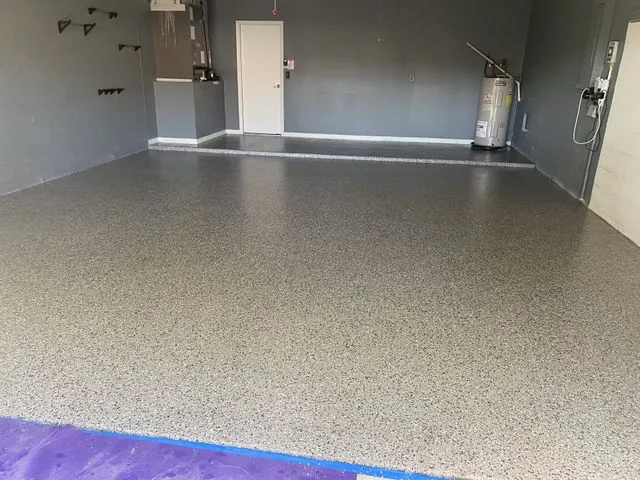
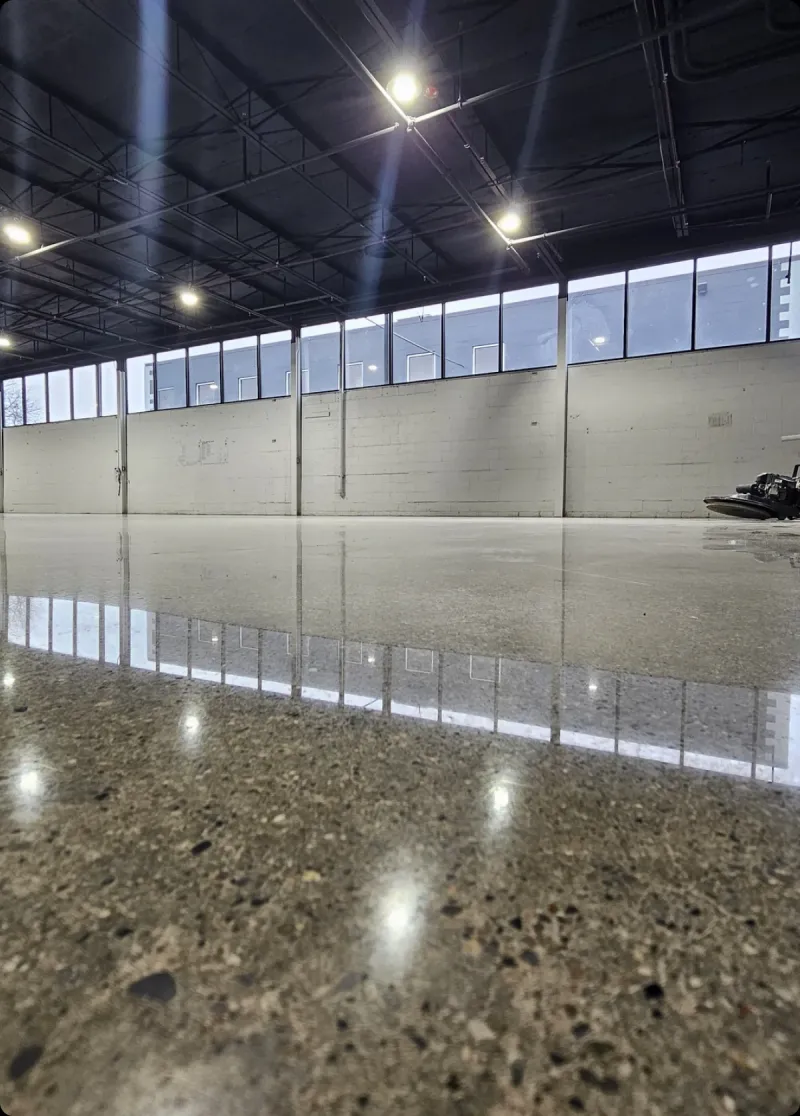
Photo: epoxy coated concrete floor Tampa Florida garage UV resistant commercial, via lirp.cdn-website.com
Tampa sits in a climate zone that tests building materials in ways that most of the continental United States does not. The combination of solar intensity, year-round humidity, and temperatures that swing from mild winters to sustained summer heat creates conditions that accelerate the degradation of many coating systems. For epoxy flooring specifically, these variables are not minor inconveniences—they are fundamental engineering considerations that should drive every product selection and installation decision.
At Premier Epoxy Tampa, our work spans residential garages, commercial warehouses, medical facilities, and outdoor entertainment spaces across the greater Tampa Bay region. In each of those environments, we have observed how climate-related stress manifests in coatings that were not properly specified for Florida conditions. This article outlines those failure mechanisms in technical terms and describes the product categories and strategies that deliver reliable performance in this market.
UV Radiation: The Most Visible Threat to Epoxy Performance
Florida ranks among the highest states in the country for UV index intensity. For epoxy coatings, prolonged UV exposure triggers a chemical process called photodegradation, which breaks down the polymer chains within the cured film. The most visible symptom is ambering or yellowing—a color shift that is particularly pronounced in clear or light-colored systems. Over time, UV exposure also leads to chalking, a powdery surface deterioration caused by resin breakdown at the coating's outermost layer.
Standard epoxy formulations are inherently UV-unstable. This is a chemistry characteristic, not a quality defect. Aromatic epoxy resins—which are the most common type used in floor coatings—contain molecular structures that absorb UV radiation and subsequently degrade. For interior spaces with no direct sun exposure, this limitation is manageable. For Tampa applications involving natural light, south-facing garage doors, or any exterior surface, it is a critical specification issue.
The industry-standard solution is a polyaspartic or aliphatic polyurethane topcoat applied over the epoxy base system. These coatings use aliphatic chemistry—meaning they lack the UV-reactive aromatic structures—and maintain color and gloss stability under sustained sun exposure. In our commercial projects along Tampa's waterfront and in sun-drenched residential garages throughout South Tampa and Westchase, we routinely specify a two- or three-coat system that uses epoxy for its adhesion and build properties at the base, with a UV-stable topcoat providing the finished surface.
Humidity and Moisture Vapor Transmission
Florida's relative humidity averages above 70 percent for much of the year, and Tampa's proximity to Tampa Bay and the Gulf of Mexico sustains that moisture load even during drier months. For epoxy flooring, humidity introduces two distinct risk categories: application-phase sensitivity and long-term moisture vapor transmission.
During installation, epoxy coatings require concrete moisture content to fall within acceptable thresholds—typically measured using a calcium chloride test or an in-situ relative humidity probe per ASTM F2170 standards. Concrete in Florida frequently retains elevated moisture, particularly in slab-on-grade construction where a vapor barrier may be absent or degraded. Applying epoxy over a slab with excessive moisture vapor emission will result in delamination as the vapor pressure beneath the coating exceeds the bond strength of the film.
We conduct moisture testing on every project before specifying a coating system. Where moisture vapor emission rates exceed manufacturer thresholds—commonly set at 3 pounds per 1,000 square feet per 24 hours for standard epoxies—we specify a moisture-tolerant primer or a vapor barrier epoxy as the first coat. These products are formulated to tolerate elevated moisture conditions and create a stable platform for the finish coats above.
Application humidity also matters. Epoxy should not be applied when relative humidity exceeds 85 percent or when the substrate temperature is within 5 degrees Fahrenheit of the dew point. In Tampa, this means scheduling installations for morning hours during summer months, when temperatures are lower and dew point conditions are less likely to compromise the wet film.
Thermal Cycling and Coefficient of Thermal Expansion
Tampa's temperature range is moderate by national standards, but the daily thermal cycling—particularly in concrete slabs exposed to direct sun—creates mechanical stress in coating systems. Concrete and epoxy expand and contract at different rates, described by their respective coefficients of thermal expansion. When these rates diverge significantly, the coating experiences shear stress at the bond line, which over time contributes to cracking or delamination.
This effect is most pronounced on exterior surfaces such as pool decks, driveways, and covered patios. A concrete pool deck in Tampa can reach surface temperatures exceeding 130 degrees Fahrenheit on a July afternoon. Standard epoxy formulations begin to soften at temperatures above 140 to 160 degrees Fahrenheit, depending on the product's heat deflection temperature rating. For these applications, we specify polyurea or polyaspartic coatings, which offer superior thermal stability and flexibility compared to conventional epoxy.
For interior commercial floors in Tampa warehouses and manufacturing facilities, thermal cycling is less extreme but still relevant—particularly near loading dock doors that open to the outside. In those zones, a flexible primer coat can absorb differential movement and extend coating life significantly.
Product Recommendations by Application Type
Based on our project history across Tampa and Hillsborough County, the following system configurations have consistently delivered strong performance:
Residential Garages with Natural Light Exposure: A moisture-tolerant epoxy primer, followed by a 100-percent-solids epoxy broadcast system with decorative flake, finished with a UV-stable aliphatic polyurethane or polyaspartic topcoat. This configuration addresses moisture vapor, provides decorative flexibility, and resists UV-induced yellowing.
Commercial Warehouse and Industrial Floors: A high-build 100-percent-solids epoxy system, typically two to three coats totaling 20 to 30 mils of dry film thickness. Where forklift traffic or chemical exposure is a factor, a urethane cement base coat may be specified for its superior chemical and thermal resistance.
Pool Decks and Exterior Surfaces: Polyaspartic coatings applied as a full system—primer and topcoat—offer the best combination of UV stability, flexibility, and abrasion resistance for Tampa's outdoor conditions. These systems also cure rapidly, which is advantageous given Florida's unpredictable afternoon weather patterns.
Retail and Hospitality Spaces: Metallic epoxy systems with a UV-stable polyaspartic topcoat deliver the aesthetic impact these environments demand while maintaining durability under foot traffic and periodic cleaning with commercial detergents.
Maintenance Strategies That Extend Floor Life in Florida
Even a correctly specified and professionally installed coating system benefits from a consistent maintenance protocol. In Tampa's climate, we recommend the following practices to homeowners and facility managers:
Clean floors with a pH-neutral cleaner. Alkaline or acidic cleaners degrade the topcoat surface over time, accelerating gloss loss and reducing stain resistance. Avoid ammonia-based products, which are particularly damaging to polyurethane topcoats.
Reapply a sacrificial maintenance coat every three to five years on high-traffic surfaces. This is significantly less expensive than a full system replacement and extends the life of the underlying coating layers substantially.
Address surface scratches or chips promptly. In Florida's humidity, exposed concrete or primer layers can absorb moisture and create localized delamination points that spread if left unattended.
Schedule an annual inspection for commercial properties. Our team can identify early-stage wear patterns, moisture intrusion points, or UV-related degradation before they require major corrective work.
Specifying for the Environment, Not Just the Budget
The most important takeaway from this technical overview is that epoxy flooring in Tampa is not a one-size-fits-all proposition. Florida's climate imposes real constraints on coating chemistry, application conditions, and long-term maintenance requirements. A system specified for a climate-controlled office building in the Midwest may perform poorly in a Tampa garage or on a Gulf-facing pool deck.
At Premier Epoxy Tampa, our specifications begin with a site assessment that accounts for UV exposure, concrete moisture conditions, thermal environment, and traffic demands. The goal is not simply to apply a coating—it is to select the system most likely to remain intact, attractive, and functional for the longest possible service life in this specific environment. That discipline is what separates a durable investment from a costly repair call.