The Equipment Graveyard: How Premature Loading After Epoxy Installation Is Quietly Destroying Tampa Commercial Floors and Machinery
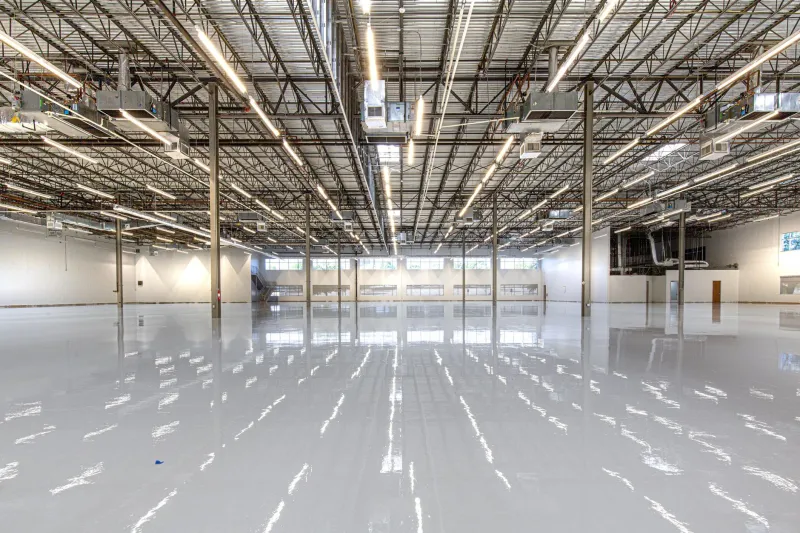
Across Tampa's commercial sector, a predictable and entirely preventable mistake is costing business owners thousands of dollars in damaged flooring and compromised equipment. The culprit is not poor materials or substandard workmanship—it is impatience during the epoxy curing window. Understanding the science behind epoxy cure cycles can mean the difference between a floor that performs for decades and one that fails within months.
The pressure to reopen quickly is understandable. Downtime is expensive. Schedules are tight. Employees are waiting. But the decision to rush heavy equipment, racking systems, or even standard office furniture back onto a freshly coated floor before it has fully cured carries consequences that extend well beyond the surface itself.
What "Dry" and "Cured" Actually Mean—and Why the Difference Matters
Epoxy flooring passes through several distinct phases after application. Within the first several hours, the surface becomes touch-dry—meaning it will not transfer wet material to a fingertip. This phase is often mistaken for completion. It is not.
A floor that is touch-dry has not achieved structural integrity. The chemical cross-linking process that gives epoxy its hardness, load-bearing capacity, and chemical resistance is still actively occurring beneath the surface. Depending on the specific product formulation, ambient temperature, and humidity levels—all of which vary considerably in Tampa's subtropical climate—full mechanical cure typically requires between 48 and 72 hours for light foot traffic, and up to five to seven days before the floor is ready to bear heavy equipment loads.
Placing machinery, shelving systems, or vehicles on the floor before these thresholds are met introduces stress into a coating that has not yet achieved its rated compressive strength. The result is not always immediately visible. In many cases, the damage is cumulative and internal—microfractures in the coating matrix that compromise adhesion to the substrate, accelerate moisture infiltration, and create failure points that manifest weeks or months later.
Case Study: A Tampa Distribution Warehouse
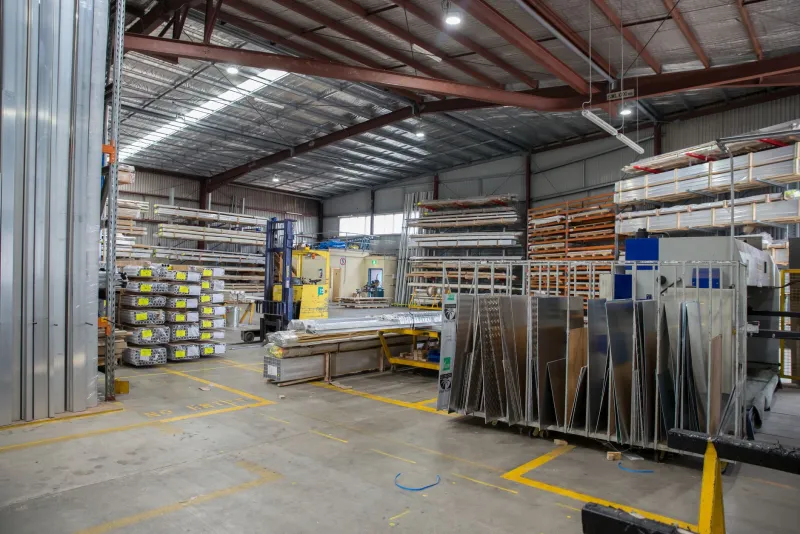
One of the more instructive examples from Premier Epoxy Tampa's project history involved a mid-sized distribution operation in the greater Tampa area. The facility manager, eager to resume operations, authorized the return of loaded pallet jacks and forklift traffic approximately 30 hours after the final coat was applied. The floor appeared solid. There was no visible indentation or marking at the time.
Within six weeks, the high-traffic lanes showed delamination patterns consistent with early mechanical loading. More significantly, the facility's forklift fleet began experiencing accelerated wear on its wheel assemblies. The micro-rippling in the coating surface—imperceptible to the naked eye but measurable under inspection—had introduced irregular contact points that increased vibration and lateral stress on the equipment's steering components.
The remediation cost exceeded the original installation cost. The equipment repairs added several thousand dollars more. The entire outcome was avoidable.
How Tampa's Climate Complicates the Cure Window
Installation contractors operating outside of Florida often work from cure-time guidelines developed in controlled laboratory conditions—typically around 70°F and 50% relative humidity. Tampa's environment rarely cooperates with those parameters.
During summer months, the combination of high ambient temperatures and elevated humidity can alter epoxy cure chemistry in counterintuitive ways. While heat generally accelerates chemical reactions, excessive humidity introduces moisture into the curing matrix, which can inhibit proper cross-linking and extend the effective cure window. In some cases, a floor installed during a high-humidity period in July may require significantly more time to achieve full mechanical strength than the product data sheet suggests under standard conditions.
Professional contractors account for these variables by monitoring conditions throughout the installation and adjusting expectations accordingly. Facility managers who rely solely on the minimum cure times printed on a product specification sheet—without accounting for local environmental factors—are operating on incomplete information.
The Load Capacity Question: Not All Equipment Is Equal
Even after the primary cure window has passed, the nature of the load being placed on the floor matters considerably. Point loads—concentrated weight transmitted through small contact areas such as the narrow wheels of industrial carts or the legs of heavy machinery—exert far greater stress on a coating than distributed loads spread across a wider footprint.
A common scenario in Tampa commercial facilities involves the installation of shelving systems or server racks shortly after floor completion. The individual leg pads on this type of equipment may contact the floor surface through a contact area no larger than a few square inches, concentrating hundreds or even thousands of pounds per square inch onto a coating that may still be in the final stages of cure hardening. The result is permanent indentation, adhesion failure around the contact point, and a compromised moisture barrier at precisely the locations where the floor is under the greatest ongoing stress.
Proper load distribution equipment—rubber pads, wider base plates, temporary plywood panels—can mitigate this risk significantly when early equipment placement is unavoidable.
Coordinating Facility Reopening Without Compromising the Investment
The operational challenge is real. Businesses cannot always afford a week of complete downtime. The solution is not to ignore the cure window but to plan around it strategically.
Effective coordination typically involves a phased reopening approach. Light foot traffic can be permitted once the 48-hour threshold is met, allowing administrative functions to resume. Equipment that can be repositioned to areas of the facility not yet coated—or staged in a temporary holding area—can reduce the operational impact of the cure window without exposing the new floor to premature stress.
For facilities where sequential installation is possible, experienced contractors can coat sections of the floor in stages, allowing earlier sections to fully cure while work continues on adjacent areas. This approach requires more coordination and may extend the overall project timeline, but it preserves both the floor's integrity and the business's operational continuity.
Communication between the installation contractor and the facility management team is essential throughout this process. Premier Epoxy Tampa provides clients with a detailed post-installation protocol that specifies exact timing thresholds for different load categories, temperature and humidity monitoring guidance, and a clear escalation path if unusual curing conditions are observed.
The True Cost of Impatience
The financial calculation is straightforward. A properly cured epoxy floor in a commercial environment carries an expected service life of ten to twenty years with appropriate maintenance. A floor compromised by premature loading may require partial or complete remediation within two to three years—at a cost that typically exceeds the original installation expense.
Beyond the floor itself, the equipment damage potential is often underestimated. Machinery operating on an uneven or micro-fractured surface experiences increased vibration, accelerated bearing wear, and in some cases, misalignment issues that affect operational precision. For facilities operating sensitive equipment—CNC machinery, laboratory instruments, precision manufacturing tools—the consequences can extend to product quality and regulatory compliance.
The epoxy cure window is not an inconvenience engineered by contractors to extend project timelines. It is a chemical reality. Respecting it is not optional—it is the single most important step a business owner can take to protect both the investment in the floor and the equipment that operates on top of it.
For Tampa businesses planning an upcoming epoxy installation, Premier Epoxy Tampa offers pre-project consultations that include facility-specific reopening schedules, equipment staging plans, and climate-adjusted cure time projections. Reaching out before the project begins is the most effective way to ensure that reopening day does not become the first day of an avoidable and costly problem.